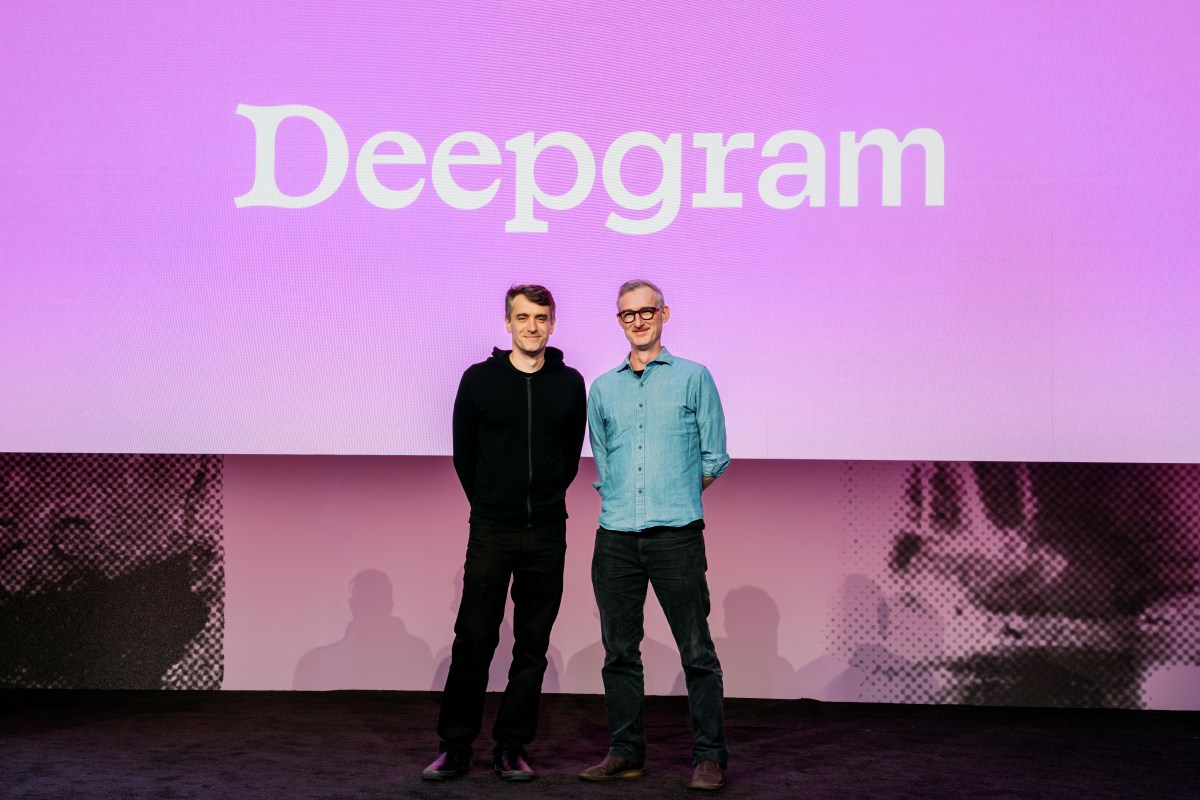
Deepgram acquires Daily and pledges to keep Pipecat open source
Deepgram said Thursday it is buying Daily, the company that builds and maintains Pipecat, a widely used open-source stack for real-time voice and video AI pipelines that ties together streaming, speech-to-text, language models, and text-to-speech while targeting lower latency. The companies did not disclose price or terms, but they pledged to keep Pipecat open source and announced Real-Time Context Standard, an open voice-agent protocol developed with the Pipecat team. The deal reflects heated competition and consolidation in voice AI infrastructure, yet reporting offers no integration roadmap or governance plan, so the practical meaning for existing Pipecat users remains unsettled until those commitments show up in releases and community process.
Deepgram acquires Daily and pledges to keep Pipecat open source
Deepgram said on Thursday that it is acquiring Daily, the maker and maintainer of one of the most popular open-source voice AI infrastructures, Pipecat. The companies did not disclose the deal amount but said that they will keep Pipecat open-source, and Deepgram is also launching Real-Time Context Standard (RCS), an open protocol for voice agents co-developed with the Pipecat team.
Key takeaway
Deepgram's purchase of Daily bundles a popular open Pipecat stack with a speech vendor, so builders should treat the open-source pledge as a promise to verify rather than a settled guarantee.
What happened
Deepgram announced on Thursday that it is acquiring Daily, the company behind the open-source Pipecat framework for real-time voice and video AI pipelines, according to TechCrunch reporting. The companies did not disclose the deal amount but said Pipecat will remain open-source.
Deepgram is also launching Real-Time Context Standard (RCS), an open protocol for voice agents co-developed with the Pipecat team. Pipecat manages voice and video streams and pipeline pieces such as speech-to-text, large language models, and text-to-speech while reducing latency, and Daily provides hosted infrastructure for voice and video calls.
Evidence
Deepgram is acquiring Daily, the maker and maintainer of Pipecat.
TechCrunch AI · attributed
Deepgram said on Thursday that it is acquiring Daily, the maker and maintainer of one of the most popular open-source voice AI infrastructures, Pipecat.
The deal amount was not disclosed and Pipecat will stay open-source.
TechCrunch AI · attributed
The companies did not disclose the deal amount but said that they will keep Pipecat open-source
Deepgram is launching Real-Time Context Standard with the Pipecat team.
TechCrunch AI · attributed
Deepgram is also launching Real-Time Context Standard (RCS), an open protocol for voice agents co-developed with the Pipecat team.
Daily has raised over $62 million in funding.
TechCrunch AI · attributed
Daily has raised over $62 million in funding to date from investors such as Tiger Global, Highfield Capital, Nat Friedman, Lachy Groom and Kevin Weil
Deepgram reached unicorn status with a $130 million Series C earlier this year.
TechCrunch AI · attributed
Earlier this year, Deepgram reached unicorn status with a $130 million Series C round.
Why it matters
Even if Pipecat stays open source on paper, consolidation can shift maintainers, priorities, and defaults for real-time voice pipelines that many products already depend on.
Limits and uncertainties
The companies did not disclose the deal amount, integration timeline, or regulatory status.
Keeping Pipecat open-source is a stated intention in the announcement, not yet shown through governance or release practice.
The underlying TechCrunch excerpt in the packet is marked incomplete, so finer operational details may be missing from this capture.
Practical implications
Teams building on Pipecat should track maintainer activity, licensing, and breaking changes once Daily operates under Deepgram.
Voice product operators may need to assess how new Real-Time Context Standard offerings align with existing Pipecat-based pipelines.
What to watch
Public Pipecat roadmap updates and community governance decisions after the acquisition.
First releases or documentation tying Real-Time Context Standard to Pipecat and Daily-hosted infrastructure.