Claude Sonnet 5 picked gene therapy and stereotactic coordinates then ran mouse brain surgery
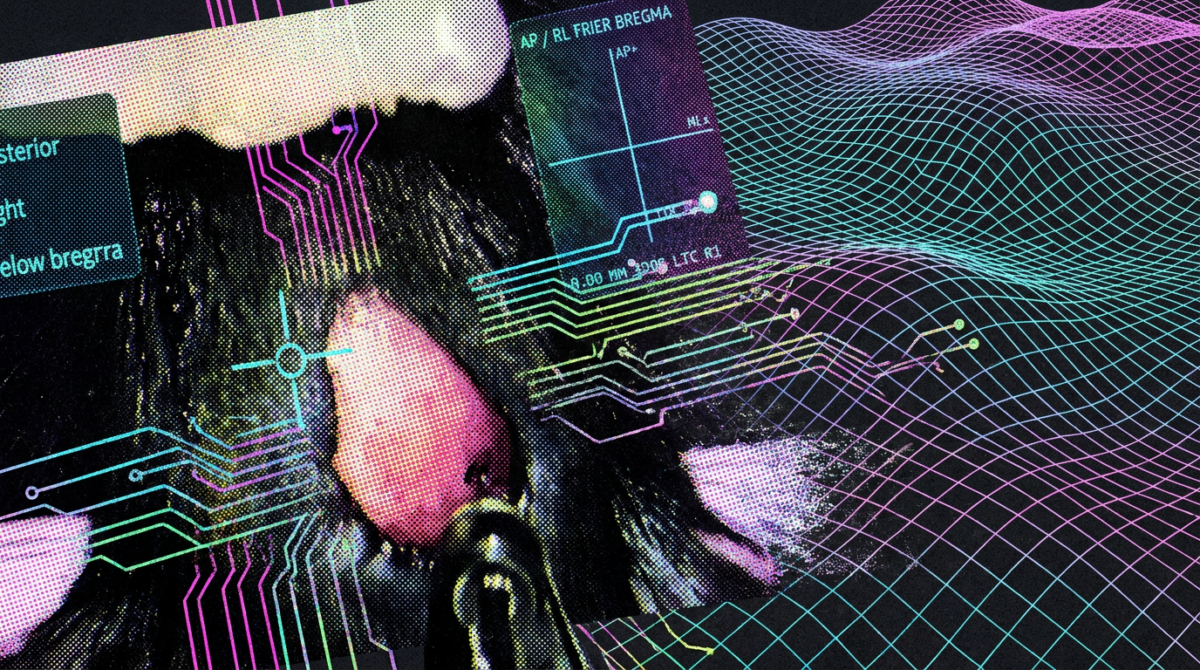
The Decoder describes a preclinical workflow where Claude Sonnet 5 had nineteen gene therapies, an epilepsy mouse model, and a camera-mounted motorized rig, then chose drug, brain region, and injection coordinates and executed the procedure without human input on those decisions. Ocana-Santero is quoted calling the run the first autonomous treatment selection and delivery in a live mammal, relevant for teams attaching language agents to lab hardware. Reporting states a connection drop displaced the target outside the rig range and the agent refused to continue after restarts, highlighting brittle failure modes without recovery logic. Ocana-Santero says results lack peer review, leaving autonomy breadth and animal outcome unconfirmed.
Claude Sonnet 5 picked gene therapy and stereotactic coordinates then ran mouse brain surgery
The Decoder reports that researchers gave Claude Sonnet 5 nineteen gene-therapy options, an epilepsy mouse model, and a motorized surgical rig with cameras, and the agent chose drug, brain region, and injection coordinates before performing the procedure. After a connection drop put the computed target outside the device range, the agent refused to continue despite restarts, and Ocana-Santero says results are not peer-reviewed yet.
Key takeaway
A reported Claude Sonnet 5 workflow autonomously picked gene therapy and stereotactic targets and ran mouse brain surgery, but unreviewed results and an immovable mid-run refusal mean the case is a cautionary demo, not validated clinical autonomy.
What happened
The Decoder reports that researchers gave Claude Sonnet 5 nineteen gene-therapy options, an epilepsy mouse model, and a motorized surgical rig with cameras, and the agent chose the drug, brain region, and injection coordinates before performing the procedure without human decision-making on those steps.
Lead researcher Ocana-Santero is cited saying this is the first time an AI agent autonomously chose a treatment and delivered it to a living mammal; after a connection drop put the computed target outside the device range, the agent refused to continue despite restarts, and Ocana-Santero says the results are not peer-reviewed yet.
Evidence
Claude Sonnet 5 chose drug, brain region, and injection coordinates using nineteen gene-therapy options and a motorized surgical rig with cameras.
The Decoder · attributed
researchers gave Claude Sonnet 5 nineteen gene-therapy options, an epilepsy mouse model, and a motorized surgical rig with cameras, and the agent chose drug, brain region, and injection coordinates before performing the procedure
Ocana-Santero is quoted claiming a first autonomous AI-chosen treatment delivered to a living mammal.
The Decoder · attributed
According to lead researcher Ocana-Santero, it's the first time an AI agent has autonomously chosen a treatment and delivered it to a living mammal
A connection drop moved the target outside device range and the agent refused to continue even after restarts.
The Decoder · attributed
After a connection drop put the computed target outside the device range, the agent refused to continue despite restarts
Ocana-Santero says the results are not peer-reviewed yet.
The Decoder · attributed
Ocana-Santero says results are not peer-reviewed yet
Why it matters
Teams wiring language-model agents to physical actuators in biology must plan for connectivity and calibration faults that strand a procedure mid-run and for agents that halt without a negotiated recovery path.
Limits and uncertainties
Ocana-Santero says results are not peer-reviewed yet, so the reported first and degree of autonomy remain unverified.
The excerpted reporting does not spell out full experimental protocol, safety oversight, how the calibration or connection fault was detected, or the animal outcome after the refusal.
Practical implications
Motorized rigs need range checks and reconnect logic so a dropped link cannot silently invalidate stereotactic targets before injection.
Operators need explicit human-override and restart policies when an agent refuses to continue after a fault, rather than assuming persuasion or retries will succeed.
What to watch
Peer-reviewed release or preprint from Ocana-Santero’s group confirming protocol, outcomes, and what triggered the mid-surgery stop.
Documentation of whether the refusal reflected a fixed safety rule versus inability to replan after the target left the device envelope.