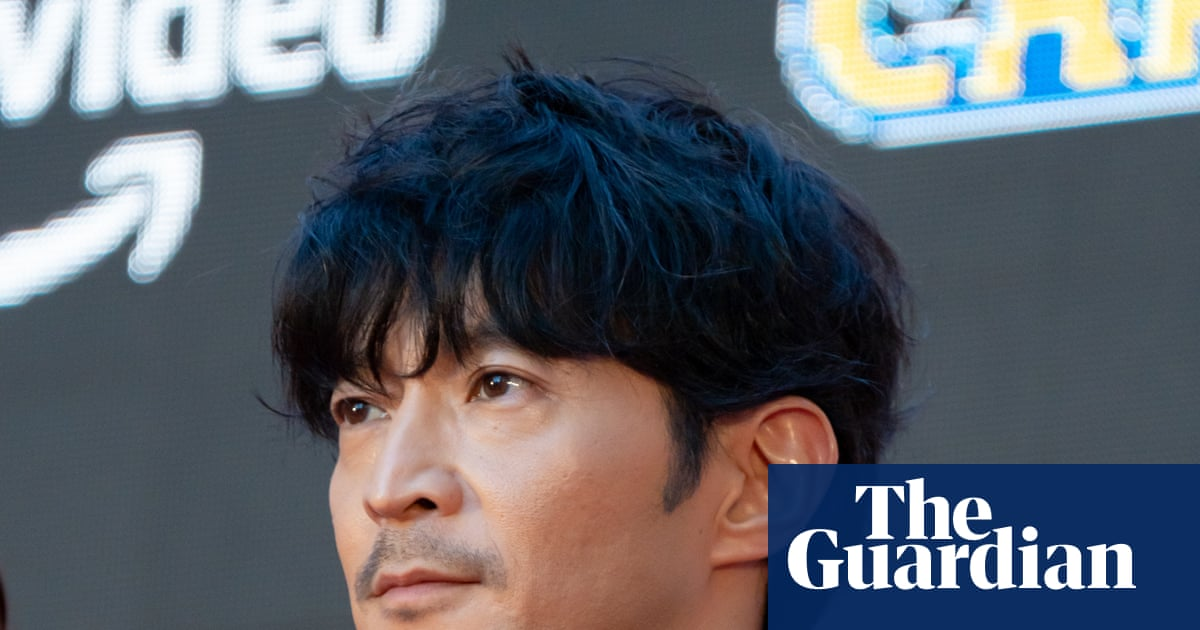
Tokyo court rules AI voice clone of Kenjiro Tsuda violated his rights
A Tokyo district court ruled Wednesday that a TikTok account violated actor Kenjiro Tsuda's rights by using AI to clone his lustrous baritone voice in generated videos, holding that voices should enjoy the same protection as publicity rights. Guardian reporting frames the outcome as a landmark Japanese verdict on AI voice cloning in social video, in a closely watched case Tsuda brought against TikTok; he is widely known for voicing Kento Nanami in Jujutsu Kaisen. The decision signals that AI voice replication may draw publicity-rights scrutiny in Japan, which matters for teams shipping cloning or dubbing tools. Available excerpts do not establish damages, the full legal basis, or TikTok's precise liability, so the ruling should be read as one early outcome rather than a demonstrated industry-wide shift.
Tokyo court rules AI voice clone of Kenjiro Tsuda violated his rights
A Tokyo district court found that an AI tool copying actor Kenjiro Tsuda’s voice in TikTok videos infringed his rights in a case framed as protecting publicity and the human voice. The Guardian reports the ruling as a landmark Japanese verdict on cloned “lustrous” baritone voice use in AI-generated social video.
Key takeaway
Japan's Tokyo district court treated AI-cloned vocal likeness on TikTok as a possible publicity-rights breach, yet available reporting is excerpt-level on one dispute.
What happened
According to The Guardian, a Tokyo district court ruled Wednesday that a TikTok account had violated Kenjiro Tsuda's rights by using AI to clone his lustrous baritone voice in AI-generated videos, and that voices should enjoy the same protection as publicity rights.
The case involved a well-known actor who claimed the account replicated his voice; reporting describes the verdict as landmark for human-voice protection in Japan and notes Tsuda is best known for voicing Kento Nanami in Jujutsu Kaisen in the action he brought against TikTok.
Evidence
A Tokyo district court ruled a TikTok account violated Tsuda's rights by AI-cloning his baritone voice in generated videos.
The Guardian AI · attributed
A Tokyo district court ruled that a TikTok account had violated actor Kenjiro Tsuda's rights by using AI to clone his 'lustrous' baritone voice in AI-generated videos
The court held voices should receive the same protection as publicity rights.
The Guardian AI · attributed
Tokyo district court said on Wednesday that voices should enjoy the same protection as publicity rights
Reporting frames the outcome as extending publicity-rights protection to the human voice via AI cloning.
The Guardian AI · attributed
A Tokyo court has extended publicity-rights protection to the human voice, ruling that AI voice cloning can infringe legal rights.
Why it matters
Operators deploying voice synthesis for social or commercial content face a concrete signal that Japan may treat uncredited vocal clones as publicity-rights risk, not purely technical fair use.
Limits and uncertainties
Excerpt reporting does not establish specific remedy or damages awarded, the exact legal basis cited, or whether TikTok itself was held liable versus ordered to act on an account.
The packet does not establish how the ruling would apply to other voice-cloning uses or its binding reach beyond this case.
Practical implications
Require explicit voice consent and audit third-party TikTok or short-video outputs that use synthetic voices before scale in Japan-facing campaigns.
Treat Guardian excerpt completeness as partial: legal review should wait for the full ruling text before redesigning product policy.
What to watch
Publication of the full Tokyo district court reasoning, remedies, and any platform-specific orders beyond the excerpted Wednesday ruling.
Follow-on Japanese cases testing voice cloning outside TikTok AI-generated video contexts.