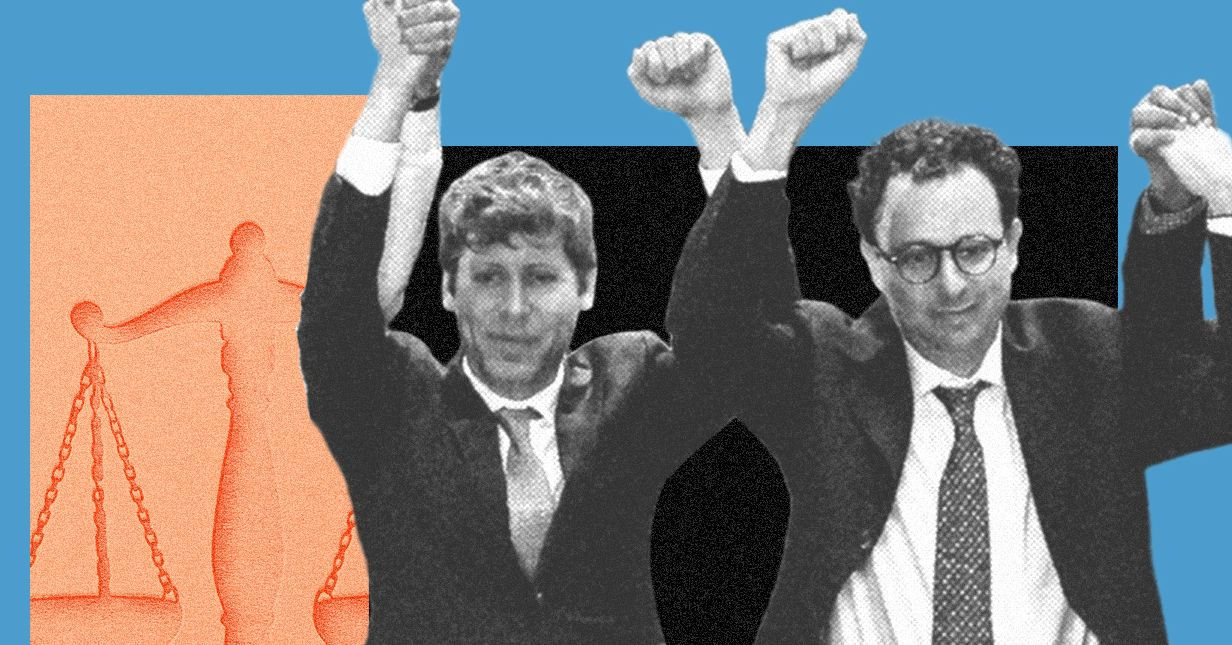
OpenAI Asks Whether Antitrust Law Could Block a Coordinated AI Slowdown
A growing push among AI industry leaders to coordinate a slowdown in frontier development is colliding with antitrust law, according to WIRED reporting framed around OpenAI's legal questioning of whether such coordination would even be permissible. Leaders increasingly view coordinated deceleration as urgent for safety, yet competition rules generally bar competitors from aligning on production pace. Separately, CNBC coverage notes escalating extinction warnings and more OpenAI and Anthropic researchers backing slowdown calls. The tension creates a governance gap: safety advocates may need formal exemptions or new policy channels rather than informal industry agreements. Evidence in the available packet does not specify which legal mechanisms leaders are pursuing or whether inquiries are formal.
OpenAI Asks Whether Antitrust Law Could Block a Coordinated AI Slowdown
AI leaders worry antitrust law could stand in the way of what they view as an increasingly urgent push to coordinate a slowdown in AI development. WIRED frames the story around OpenAI Wants to Know if an AI Industry Slowdown Would Even Be Legal.
Key takeaway
Coordinated AI slowdown advocacy is running into antitrust constraints that may block informal industry-wide safety agreements unless policy changes.
What happened
WIRED reports that AI leaders worry antitrust law could stand in the way of what they view as an increasingly urgent push to coordinate a slowdown in AI development, with the story centered on OpenAI asking whether such coordination would even be legal.
CNBC separately reports that extinction warnings are ramping up as more OpenAI and Anthropic researchers join calls for an AI slowdown, adding researcher-level pressure alongside the antitrust questions raised in the WIRED coverage.
Evidence
AI leaders worry antitrust law could obstruct coordinated AI slowdown efforts they view as increasingly urgent.
WIRED AI · attributed
AI leaders worry antitrust law could stand in the way of what they view as an increasingly urgent push to coordinate a slowdown in AI development.
WIRED frames the story around OpenAI questioning whether an industry-wide AI slowdown would be legal.
WIRED AI · attributed
OpenAI Wants to Know if an AI Industry Slowdown Would Even Be Legal
More OpenAI and Anthropic researchers are joining calls for an AI slowdown amid escalating extinction warnings.
CNBC AI · attributed
'Extinction' warnings ramp up as more OpenAI, Anthropic researchers join calls for an AI slowdown - CNBC
Why it matters
Builders and operators face legal uncertainty about whether safety-driven coordination is permissible, which could affect development timelines and governance choices.
Limits and uncertainties
The WIRED excerpt does not specify which leaders or companies are involved or what legal mechanisms they are considering.
The packet does not clarify whether OpenAI's questioning reflects a formal legal inquiry or speculative concern.
CNBC coverage in the packet is limited to headline-level excerpts without detailed reporting text.
Practical implications
Teams weighing industry-wide safety coordination must account for antitrust risk before informal slowdown agreements.
Safety governance may need formal policy channels or exemptions rather than competitor-aligned production pacing.
What to watch
Whether OpenAI or peer labs pursue formal legal guidance on coordinated slowdown arrangements.
Further public statements from OpenAI and Anthropic researchers backing slowdown calls.
Regulatory or legislative signals on competitor coordination for AI safety purposes.