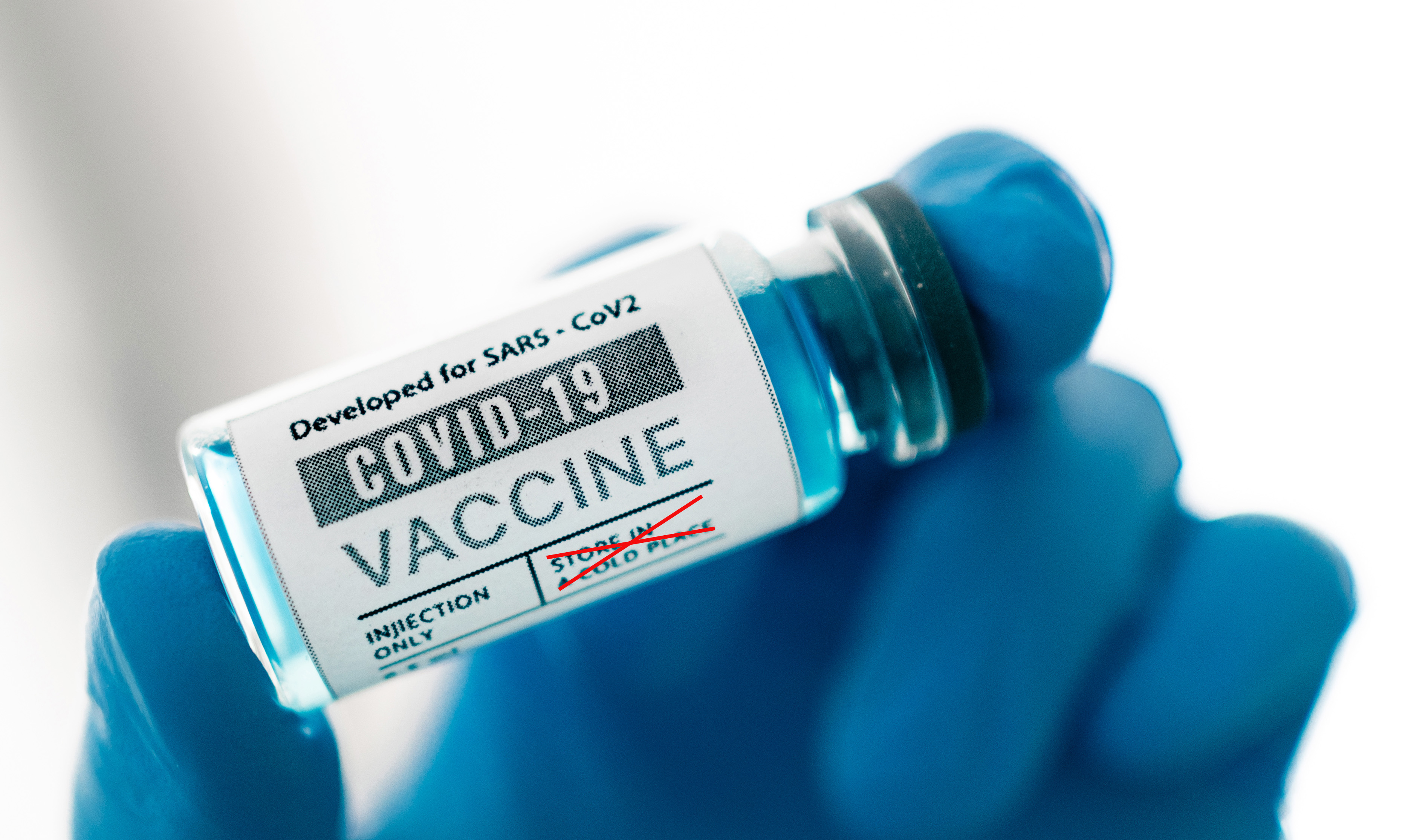
MIT AI formulation keeps RNA vaccines stable at room temperature for a year
MIT researchers used an AI algorithm to optimize lipid nanoparticle shells for mRNA delivery, reporting vaccines that stayed stable at room temperature for up to twelve months or about two months near one hundred degrees Fahrenheit, according to MIT AI News. Covid-19 constructs using those particles elicited mouse immune responses on par with a Moderna-class RNA vaccine in the same account, and investigators credit the model with shrinking the experimental search space, including on smaller datasets per principal investigator Ana Jaklenec. The university links the findings to a Nature Biotechnology publication. Ultracold logistics remain a structural weakness for RNA platforms aimed at cancer and other indications beyond pandemic use. Readers should treat thermal stability and immunogenicity as preclinical signals only: the excerpt does not document human efficacy, commercial manufacturing, or third-party replication.
MIT AI formulation keeps RNA vaccines stable at room temperature for a year
MIT engineers report an AI algorithm helped tune lipid nanoparticle formulations so RNA vaccines stayed stable at room temperature for up to a year, or near 100 degrees Fahrenheit for two months. In mice, Covid-19 vaccines using those particles matched immune response to a Moderna-like RNA vaccine; the work appears in Nature Biotechnology.
Key takeaway
AI-guided LNP formulation tuning is an early, mouse-only lead on room-temperature mRNA stability—not evidence of a field-ready vaccine or solved cold chain.
What happened
According to MIT AI News, engineers applied an AI algorithm to adjust formulations around lipid nanoparticles that deliver mRNA, aiming to make RNA vaccines more heat-resistant than formulations that typically need ultracold storage.
The report states resulting vaccines remained stable at room temperature for up to a year or at nearly 100 degrees Fahrenheit for two months; Covid-19 vaccines carried by these particles generated a strong immune response in mice comparable to an RNA Covid-19 vaccine similar to one developed by Moderna, with the work appearing in Nature Biotechnology.
Evidence
AI was used to tune lipid nanoparticle formulations for mRNA vaccine heat resistance.
MIT AI News · attributed
With help from an AI algorithm, the researchers tweaked the formulation surrounding the lipid nanoparticles that are typically used to deliver mRNA vaccines, making the vaccines more heat-resistant.
Formulations remained stable at room temperature for up to a year or near 100°F for two months.
MIT AI News · attributed
Using this approach, they formulated vaccines that could remain stable even when stored at room temperature for up to a year, or at nearly 100 degrees Fahrenheit for two months.
Mouse Covid-19 vaccines using these particles matched immune response to a Moderna-like RNA vaccine.
MIT AI News · attributed
When Covid-19 vaccines carried by these particles were administered to mice, they generated just as strong an immune response as an RNA Covid-19 vaccine similar to one developed by Moderna.
The AI algorithm reduced the number of formulation experiments required.
MIT AI News · attributed
By using the AI algorithm to predict the optimal formulations for the particles, the researchers were able to cut down the number of experiments they needed to do, which rapidly sped up the development process.
Principal investigator Ana Jaklenec said the algorithm can work with small data sets.
MIT AI News · attributed
The real beauty of this algorithm is that we can use it with small data sets, says Ana Jaklenec, a principal investigator in
MIT engineers tie the results to publication in Nature Biotechnology.
MIT AI News · attributed
In mice, Covid-19 vaccines using those particles matched immune response to a Moderna-like RNA vaccine; the work appears in Nature Biotechnology.
Why it matters
If similar stability holds through development, RNA vaccines could reach more settings without ultracold infrastructure, while AI-driven formulation search may lower iteration cost for delivery teams.
Limits and uncertainties
The available MIT AI News excerpt reports mouse results and does not establish human translation, long-term stability for other RNA vaccine types, or manufacturing scalability.
Thermal stability claims in the excerpt are tied to one Covid-19 vaccine formulation without independent validation or comparative data against existing cold-chain solutions.
The excerpt is incomplete and does not name the specific AI algorithm used.
Practical implications
Researchers exploring LNP or mRNA delivery can treat AI-guided formulation as a way to cut wet-lab iterations when data are limited, per the Jaklenec quote in the excerpt.
Operators planning RNA distribution should not assume room-temperature storage from this news item alone until human and supply-chain evidence appears beyond the excerpt.
What to watch
Whether Nature Biotechnology or follow-on reporting adds human trial plans, manufacturing detail, or replication by outside groups.
Any disclosure of which AI method was used and whether stability extends beyond the reported Covid-19 mouse formulation.