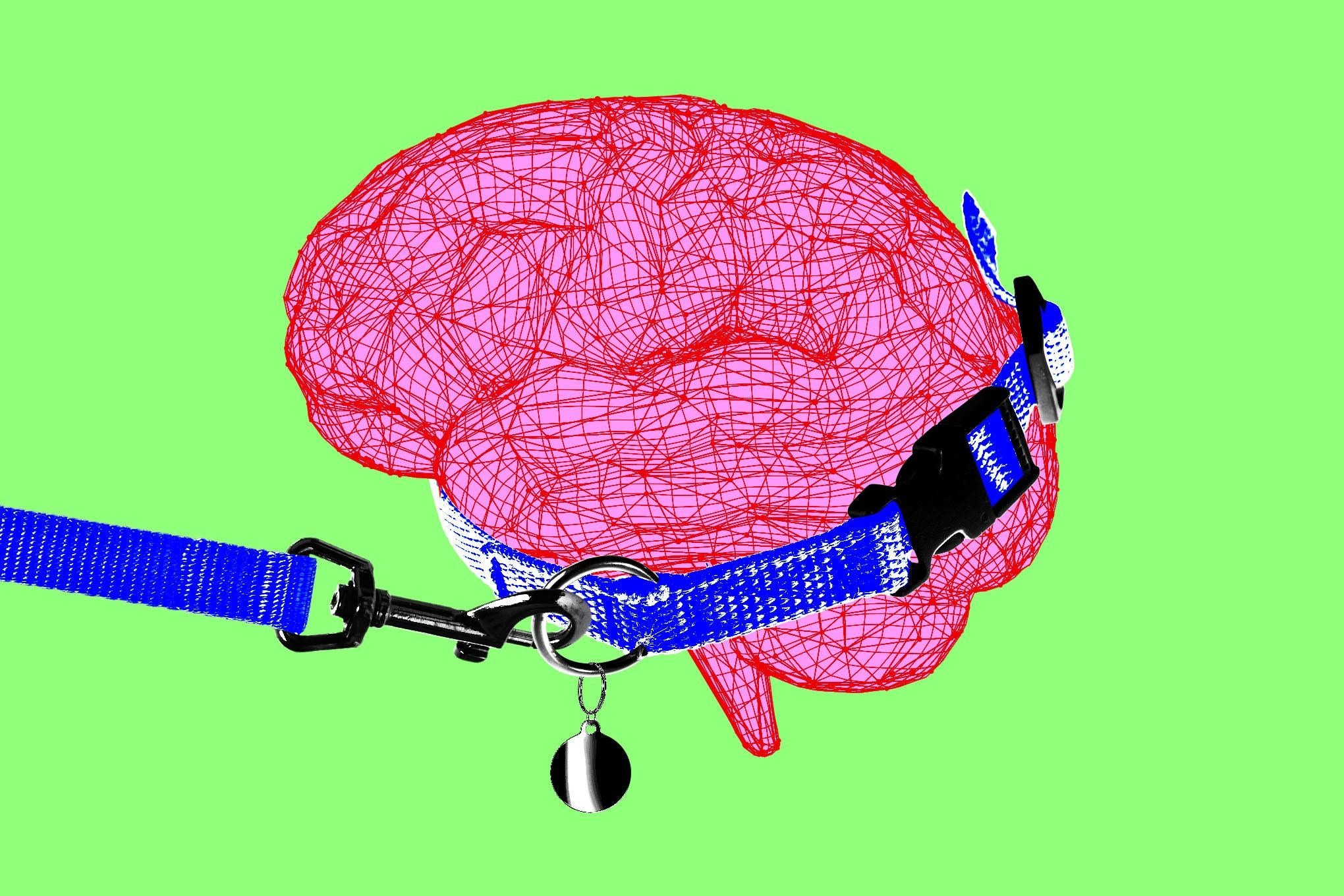
Anthropic CEO Calls to Slow AI Development and Open Models to METR
In a notable shift from frontier labs' usual race-to-scale posture, Anthropic CEO Dario Amodei has argued that AI development should deliberately slow and that capable systems should face outside scrutiny. According to The Verge, Amodei outlined a three-step plan in an essay to pace the frontier, framing slower progress as a balance between capability gains and verified safety commitments. Anthropic says it will grant third-party evaluators such as METR access to its models so independent groups can assess adherence to stated safety practices. For builders and policymakers, the move points toward external gates on release timing rather than purely internal benchmarks. The reporting does not specify what slowing down means in compute, training cycles, or launch schedules, leaving the practical pace change unclear.
Anthropic CEO Calls to Slow AI Development and Open Models to METR
Anthropic CEO Dario Amodei says the time has come to slow down AI development, according to The Verge. He will give third-party evaluators like METR access to Anthropic models to help ensure adherence to safety practices and commitments.
Key takeaway
Frontier labs may increasingly compete on verifiable external safety audits, not only on raw capability benchmarks and release speed.
What happened
According to The Verge, Anthropic CEO Dario Amodei said in a public essay that the time has come to slow AI development, a notable break from the industry's prevailing focus on accelerating frontier capabilities.
Amodei proposed a three-step plan to pace the frontier and said Anthropic will give third-party evaluators like METR access to its models to help ensure adherence to safety practices and commitments.
Evidence
Dario Amodei says the time has come to slow down AI development.
The Verge AI · attributed
Anthropic CEO Dario Amodei says the time has come to slow down AI development
Anthropic will give third-party evaluators like METR access to its models for safety verification.
The Verge AI · attributed
will give third-party evaluators like METR access to its models to help ensure its "adherence to safety practices and commitments."
Amodei proposed a three-step plan to pace the frontier.
The Verge AI · attributed
In a winding essay, Amodei proposed a three-step plan to "pace the frontier" - jargon that simply means to slow
Why it matters
Teams shipping AI products may need to plan release cycles around third-party safety verification rather than internal readiness alone.
Limits and uncertainties
The available reporting does not specify what slowing development means in terms of compute or training cycles.
Whether the announced pacing reflects a substantive operational slowdown or mainly a policy framing is not established in the excerpt.
Practical implications
Builders should assume frontier model access may require clearance from independent safety evaluators such as METR.
Product teams may need longer lead times if releases are gated on external verification of safety practices and commitments.
What to watch
Publication of details behind Amodei's three-step plan to pace the frontier
How METR and other third-party evaluators use model access to assess safety adherence
Whether rival labs adopt similar external-audit commitments or keep faster release cadences