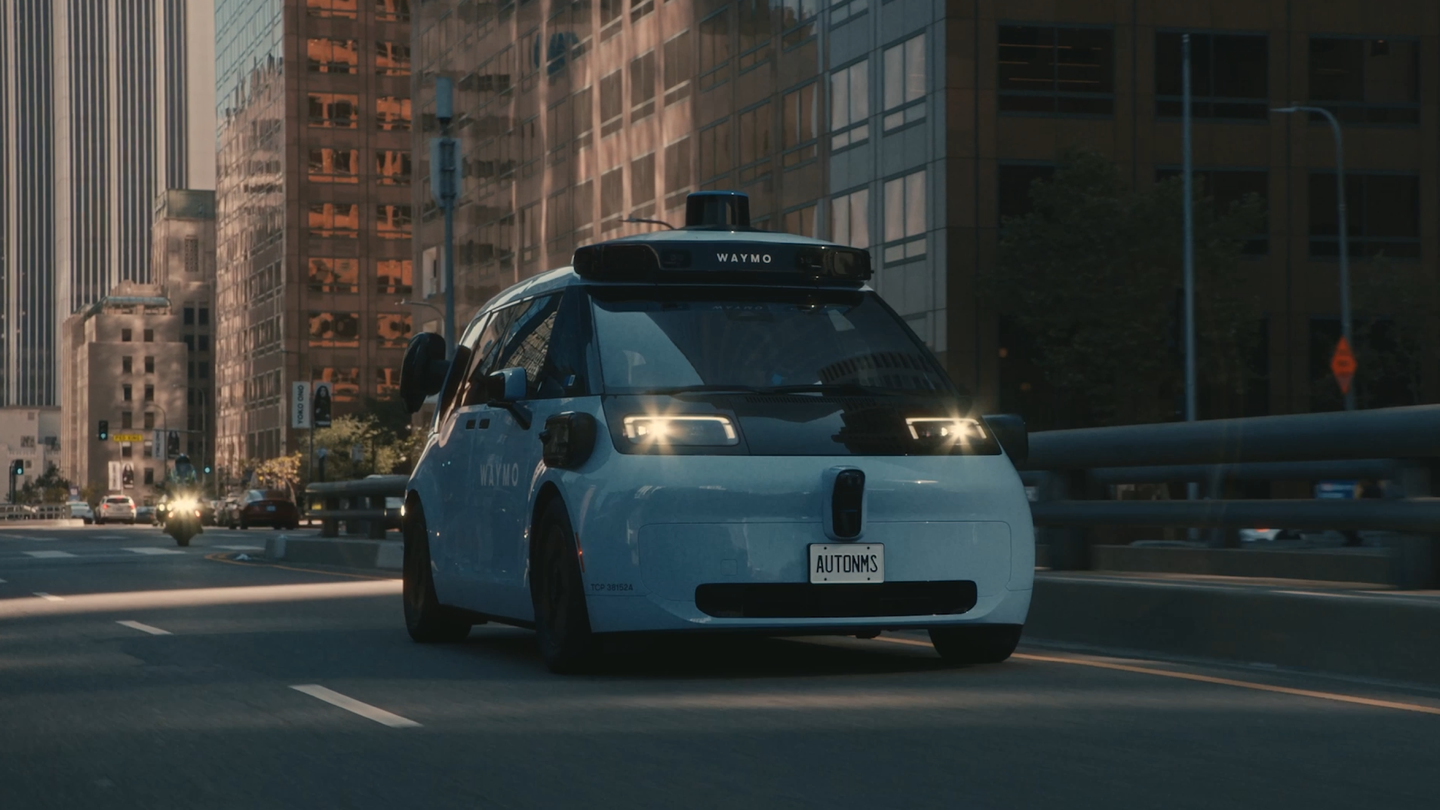
Waymo has integrated Google's Gemini model into its purpose-built Ojai robotaxi fleet, deploying the LLM as an in-cabin voice assistant for cabin control and local information. Google's announcement states the integration explicitly decouples Gemini from the Waymo Driver safety stack, establishing architectural separation between consumer-facing intelligence and safety-critical autonomous operations. For builders engineering in-vehicle AI, the Ojai deployment offers a concrete reference for isolating language models from driving control while still delivering personalized rider experiences. Public materials frame the move as making rides more helpful without detailing fleet scale, geographic rollout, or third-party safety validation. The arrangement underscores how major robotaxi operators may productize LLMs at the experience layer rather than within the autonomy core, a design choice that matters for anyone mapping liability, failover, and human override paths in mixed AI stacks.
Waymo is bringing Gemini into its custom Ojai vehicles. Waymo is bringing Gemini to its custom-built Ojai vehicles to create a more helpful and personalized ride.
Key takeaway
Production robotaxi deployments can embed Gemini-style LLMs for cabin assistance only when they remain architecturally isolated from the safety-critical Waymo Driver stack.
What happened
According to Google Gemini, Waymo is bringing Gemini into its custom Ojai vehicles to create a more helpful and personalized ride experience for passengers.
The integration positions Gemini as an in-car voice assistant for cabin control and local information while explicitly decoupling the LLM from the Waymo Driver autonomous driving system.
Evidence
Waymo is integrating Gemini into its custom-built Ojai vehicles.
Google Gemini · attributed
Waymo is bringing Gemini into its custom Ojai vehicles.
The stated goal is a more helpful and personalized ride.
Google Gemini · attributed
Waymo is bringing Gemini to its custom-built Ojai vehicles to create a more helpful and personalized ride.
Gemini serves as an in-car voice assistant for cabin control and local information.
Google Gemini · attributed
Waymo has integrated Google's Gemini model into its purpose-built Ojai vehicles to serve as an in-car voice assistant for cabin control and local information.
The LLM is explicitly decoupled from the Waymo Driver.
Google Gemini · attributed
This deployment is significant because it explicitly decouples the LLM from the Waymo Driver
The integration enforces separation between the driving stack and the consumer LLM.
Google Gemini · attributed
Waymo's integration of Gemini into the Ojai vehicle establishes a strict architectural separation between the safety-critical autonomous driving stack and the consumer-facing LLM
Why it matters
It signals a production pattern for separating rider-facing generative AI from safety-critical autonomy, giving engineers a live reference for boundary design in robotaxi stacks.
Limits and uncertainties
Available reporting does not specify Ojai fleet scale, rollout geography, or independent safety validation beyond the stated LLM-to-Driver decoupling.
Some analytical excerpts in the packet are truncated and do not provide full technical or operational detail.
Practical implications
Teams integrating LLMs into vehicles should mirror the Ojai pattern by hard-separating assistant interfaces from the autonomous driving control path.
Safety and platform engineers should document failover, override, and liability boundaries between cabin assistants and driving stacks before production deployment.
What to watch
Whether Waymo publishes further technical detail on how Gemini requests are isolated from Waymo Driver inputs and outputs.
Whether other robotaxi operators adopt similar strict separation between in-cabin LLM assistants and safety-critical driving software.