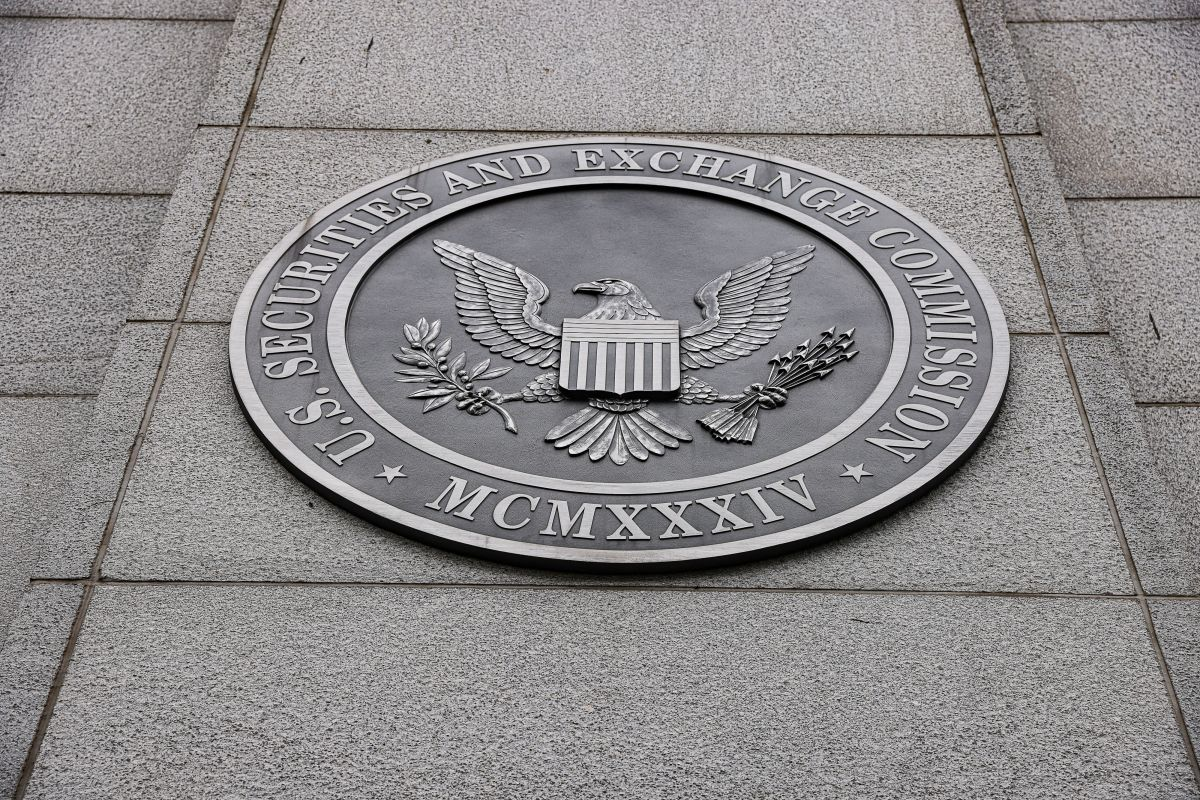
SEC reportedly subpoenas banks tied to AI hedge fund Situational Awareness
The Securities and Exchange Commission has begun subpoenaing Wall Street banks tied to Situational Awareness, an AI-branded hedge fund that nearly collapsed during July's tech sell-off when steep losses forced an emergency transfer of most holdings to Citadel. Reporting attributes the inquiries to banks that supervised the fund's trading and supplied financing for leveraged bets, with regulators also directing institutions to preserve information. The San Francisco-based fund denies wrongdoing, will keep trading public equities, and plans to stop bank borrowing. Regulators have not accused the firm of misconduct, and available reporting does not name specific banks or subpoena scopes. The episode ties a high-profile AI narrative fund to prime-brokerage leverage stress, emergency portfolio rescue, and formal regulatory review.
SEC reportedly subpoenas banks tied to AI hedge fund Situational Awareness
The New York Times reports that the Securities and Exchange Commission has been subpoenaing banks that did business with the hedge fund Situational Awareness. The subpoenas focus on the banks that supervised the fund's trading and that channeled funding to support it, and Situational Awareness has not been accused of any wrongdoing.
Key takeaway
Leverage routed through prime brokers helped an AI-branded fund scale quickly, and regulators are now examining those bank relationships after a near-collapse.
What happened
The New York Times reports, as summarized in owned-news coverage, that the Securities and Exchange Commission has been subpoenaing banks that did business with Situational Awareness. The subpoenas focus on institutions that supervised the fund's trading and channeled funding to support it, and the fund has not been accused of any wrongdoing.
Financial Times reporting says the SEC subpoenaed major Wall Street banks that funded trading bets at the San Francisco-based hedge fund after steep losses during a recent tech sell-off forced a 24-hour emergency deal to sell most holdings to Citadel. The fund denies wrongdoing, says it will keep trading public equities, and will stop borrowing from banks to finance its bets.
Evidence
The SEC has subpoenaed banks that did business with Situational Awareness, focusing on trading supervision and funding channels.
TechCrunch AI · attributed
The New York Times reports that the Securities and Exchange Commission has been subpoenaing banks that did business with the hedge fund Situational Awareness. The subpoenas focus on the banks that supervised the fund's trading and that channeled funding to support it
Regulators directed banks to preserve information and have not accused Situational Awareness of wrongdoing.
TechCrunch AI · attributed
The SEC is reportedly subpoenaing banks that did business with Situational Awareness and warning them to preserve information, though the fund has not been accused of wrongdoing.
The fund nearly collapsed in July and sold most holdings to Citadel in a 24-hour emergency deal after steep tech sell-off losses.
Financial Times Technology · attributed
The SEC has subpoenaed major Wall Street banks that funded trading bets at Situational Awareness, a San Francisco-based hedge fund that suffered steep losses during the recent tech sell-off and was forced to sell most holdings to Citadel in a 24-hour emergency deal.
Citadel has sold more than 80% of the portfolio acquired from Situational Awareness in block trades worth over $4 billion.
Financial Times Technology · attributed
Citadel has sold over 80% of the stock portfolio it acquired from Situational Awareness, executing nearly 100 block trades worth over $4 billion.
Why it matters
The case shows how AI branding can draw capital into concentrated, leveraged equity bets that unwind under tech volatility, shifting attention to prime-brokerage funding chains and counterparty risk after public drawdowns rather than isolated performance swings.
Limits and uncertainties
Situational Awareness has not been accused of wrongdoing in the attributed reporting.
Available coverage does not name which banks received subpoenas or detail the scope of SEC requests.
The Reuters-linked Google News item in the feed carried only navigation chrome, not substantive reporting text.
Practical implications
Funds using bank leverage should map emergency unwind and counterparty exposure paths before the next tech-heavy sell-off.
News and signal pipelines should reject or re-source malformed Reuters scrape artifacts before treating headlines as confirmed facts.
What to watch
Whether SEC subpoenas expand beyond funding banks to the fund or its principals.
Citadel disclosures on remaining block trades from the Situational Awareness book.
Whether Situational Awareness follows through on stopping bank borrowing while continuing public-equity trading.