LLMgram · AI News · 2026-08-18

MIT CSAIL Study Finds AI Image Outputs Often Untraceable to Training Data
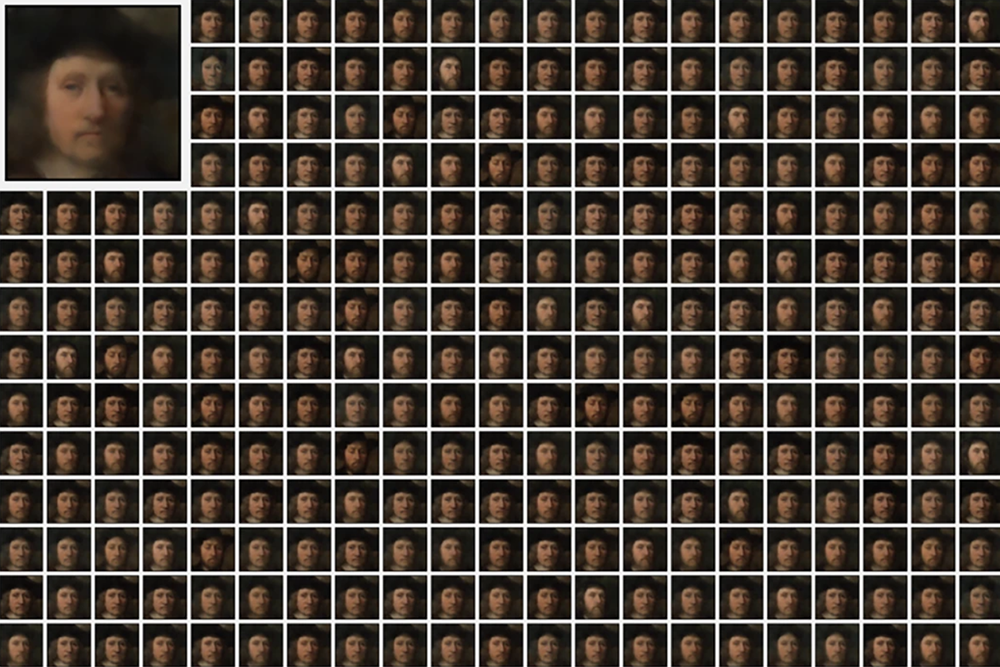
MIT CSAIL Study Finds AI Image Outputs Often Untraceable to Training Data

MIT CSAIL researchers published findings that generative image outputs from models trained on massive datasets often cannot be traced back to specific training examples. Using a method that surgically removes individual training images, the team found that deleting those examples did not change model outputs, suggesting that as datasets grow, the link between learned material and produced images dissolves. The work challenges assumptions that AI-generated images can be directly attributed for copyright claims, indicating outputs may function as novel works rather than copies of identifiable sources. Legal and policy teams may cite mathematical unattributability when debating developer liability, though the study does not resolve broader questions about training-data licensing or whether outputs remain derivative in other legal frameworks.

Sources

MIT CSAIL Study Finds AI Image Outputs Often Untraceable to Training Data

MIT CSAIL Study Finds AI Image Outputs Often Untraceable to Training Data

MIT CSAIL researchers report that images from models trained on massive datasets often cannot be linked to specific training examples. Removing individual images from the training set did not change outputs, complicating copyright attribution claims.

Key takeaway

Technical unattributability of generative image outputs may weaken direct copyright infringement claims tied to specific training examples.

What happened

MIT CSAIL researchers report that images from models trained on massive datasets often cannot be linked to specific training examples, according to MIT AI News coverage published on August 18, 2026.

The team applied a method for surgically removing training examples from a model and found that removing individual images from the training set did not change outputs, complicating copyright attribution claims.

Evidence

  • MIT CSAIL found that removing individual training images did not change generative model outputs.

    MIT AI News · attributed

    MIT CSAIL researchers report that images from models trained on massive datasets often cannot be linked to specific training examples. Removing individual images from the training set did not change outputs, complicating copyright attribution claims.

  • A surgical removal method shows that as datasets grow, the link between what a model learns and what it produces dissolves.

    MIT AI News · attributed

    A new method for surgically removing training examples from a model reveals that as datasets grow, the link between what a model learns and what it produces dissolves.

  • MIT research indicates AI-generated images are often mathematically unattributable to specific training data.

    MIT AI News · attributed

    MIT research demonstrates that AI-generated images are often mathematically unattributable to specific training data, challenging the legal premise of direct copyright infringemen

Why it matters

Policy and legal teams gain a technical argument that large-scale training can sever traceable links between outputs and source data.

Limits and uncertainties

The MIT CSAIL findings address output traceability mechanics, not full resolution of copyright, licensing, or derivative-work questions across legal frameworks.

Practical implications

Legal teams evaluating generative image disputes may reassess strategies that depend on tracing outputs to identifiable training examples.

Model developers facing attribution claims may reference surgical-removal evidence that individual training images did not alter outputs.

What to watch

Regulatory and court filings citing MIT CSAIL unattributability findings in generative image copyright disputes.

Follow-on research measuring how dataset scale affects the dissolving link between training material and model outputs.

Sources

LLMgram editorial selection and synthesis · @llmgram. LLMgram is not the original publisher of this information.
Continue on LLMgram: Open in AI Signal →
Original reporting: When AI art has no author: Study finds generated images often can’t be traced to training data