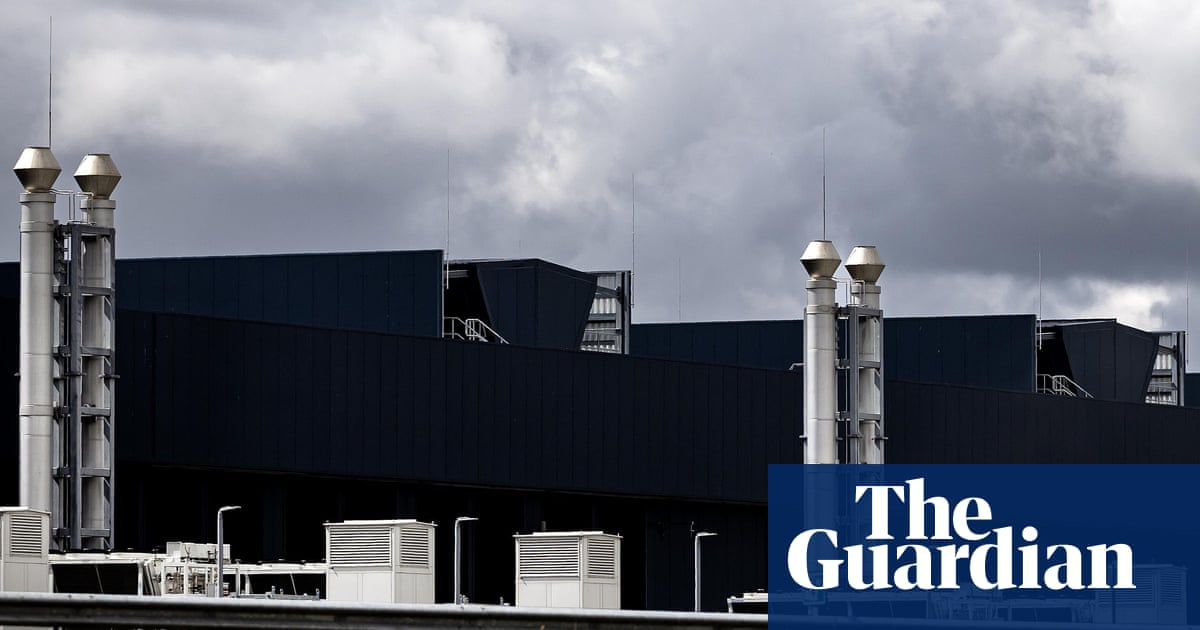
Guardian probe flags gap between Microsoft AI capacity claims and installed chips
A Guardian investigation published on August 17, 2026 examines whether Microsoft’s artificial intelligence ambitions are being constrained by a shortage of advanced computing chips. The reporting identifies an apparent gap between the company’s public statements about AI infrastructure capacity and the number of advanced chips the publication says are actually in operation. The piece frames the question as whether supply-side hardware limits, rather than software or strategy alone, may be throttling how quickly Microsoft can scale AI services. For builders and operators tracking hyperscaler roadmaps, the story underscores that headline capacity claims merit scrutiny against verifiable deployment signals. The Guardian’s account does not independently quantify total installed chip counts in this excerpt, so the scale of any shortfall and its operational impact remain partly unresolved pending fuller disclosure or corroboration.
Guardian probe flags gap between Microsoft AI capacity claims and installed chips
The Guardian asks whether Microsoft's AI plans are being held back by a shortage of chips. Its investigation reports an apparent discrepancy between what the tech company has said about its AI capacity and the number of advanced chips it has in operation.
Key takeaway
Hyperscaler AI capacity claims should be treated skeptically until independent reporting or disclosures verify installed advanced chip counts.
What happened
The Guardian published an investigation on August 17, 2026 asking whether Microsoft's AI plans are being held back by a shortage of chips. Its reporting centers on an apparent discrepancy between what the tech company has said about its AI capacity and the number of advanced chips it has in operation.
According to The Guardian's investigation, Microsoft's stated AI infrastructure capabilities do not align with the actual number of advanced chips in operation. The article suggests the company's AI expansion may be constrained by supply chain limitations rather than demand or software readiness alone.
Evidence
The Guardian investigation reports an apparent discrepancy between Microsoft's stated AI capacity and installed advanced chips.
The Guardian AI · attributed
Guardian investigation finds apparent discrepancy between what tech company has said about its AI capacity – and the number of advanced chips it has in operation
The Guardian asks whether Microsoft's AI plans are being held back by a chip shortage.
The Guardian AI · attributed
The Guardian asks whether Microsoft's AI plans are being held back by a shortage of chips.
Microsoft's public AI capacity claims are contradicted by a physical shortage of advanced chips, per The Guardian's analysis of the investigation.
The Guardian AI · attributed
Microsoft's public claims of massive AI capacity are contradicted by a physical shortage of advanced chips, revealing a gap between narrative and hardware reality.
The investigation suggests Microsoft's AI expansion may be constrained by supply chain limitations.
The Guardian AI · attributed
This suggests that the company's AI expansion may be constrained by supply chain limitations rath
Why it matters
Operators and investors weighing AI service scalability should assume performance and rollout timelines may be hardware-gated until chip deployment is verified.
Limits and uncertainties
The packet excerpt is truncated and does not include full investigative detail or independent chip count figures.
The available material does not include a direct Microsoft response to The Guardian's reported discrepancy.
Practical implications
Discount hyperscaler AI capacity promises in planning until corroborated by verifiable hardware deployment metrics.
Account for accelerator supply constraints when sizing workloads that depend on scarce advanced chips.
What to watch
Whether Microsoft issues disclosed chip deployment figures or revised capacity guidance in response to the investigation.
Follow-on reporting that quantifies the gap between stated AI infrastructure capabilities and chips in operation.