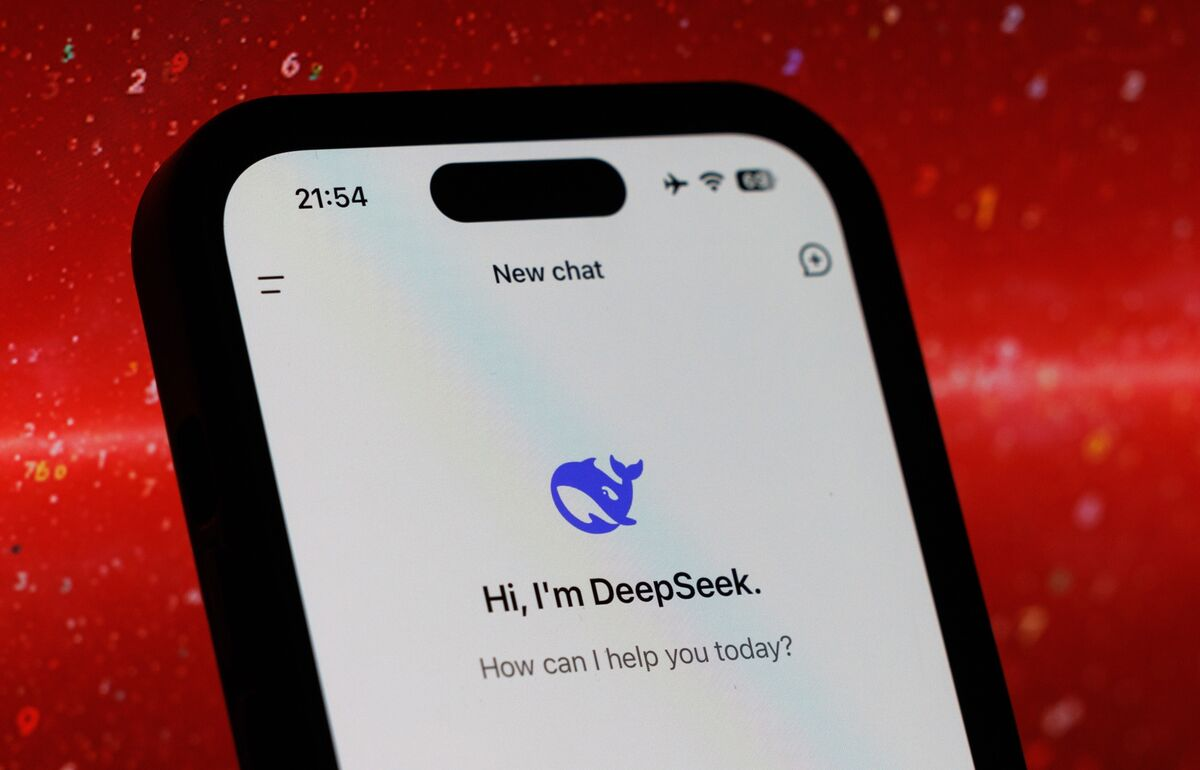
Chinese state-linked hackers integrate DeepSeek and Kimi K3 into cyberattacks
Researchers report that numerous Chinese state-linked hacking groups are increasingly integrating open-weight artificial intelligence models, specifically DeepSeek and Kimi K3, into offensive cyber operations. According to Mark Anderson's Bloomberg reporting via Techmeme, attackers are ramping up campaigns after adopting these openly available models, which lowers the cost and expertise barriers that once confined sophisticated AI-assisted attacks to well-resourced actors. The pattern treats commodity open-source AI as a force multiplier adversaries can repurpose for automation and scaling against foreign targets. For defenders, widely deployable open-weight models may become dual-use infrastructure in hostile hands. A material caveat remains: much of the underlying Bloomberg article was inaccessible behind paywall and bot protection here, so specific operational details and attribution breadth still require direct review of the researchers' primary report.
Chinese state-linked hackers integrate DeepSeek and Kimi K3 into cyberattacks
Researchers detail the growing use of AI in cyberattacks across many Chinese state-linked groups, primarily using open-weight models like Kimi K3 and DeepSeek. Chinese hackers are ramping up attacks after integrating DeepSeek and other open-source artificial intelligence models into their operations.
Key takeaway
Open-weight AI democratization is lowering marginal costs for state-linked adversaries to operationalize DeepSeek and Kimi K3 as offensive force multipliers.
What happened
Mark Anderson of Bloomberg reports, via Techmeme, that researchers are documenting growing use of AI in cyberattacks across many Chinese state-linked groups, primarily using open-weight models like Kimi K3 and DeepSeek.
According to the attributed reporting, Chinese hackers are ramping up attacks after integrating DeepSeek and other open-source artificial intelligence models into their operations, highlighting attackers' ability to leverage basic AI tools to hit targets abroad.
Evidence
Numerous Chinese state-linked groups are integrating open-weight AI models DeepSeek and Kimi K3 into cyberattack operations
Techmeme · attributed
Researchers detail the growing use of AI in cyberattacks across many Chinese state-linked groups, primarily using open-weight models like Kimi K3 and DeepSeek
Chinese hackers are ramping up attacks after integrating DeepSeek and other open-source AI models
Bloomberg Technology · attributed
Chinese hackers are ramping up attacks after integrating DeepSeek and other open-source artificial intelligence models into their operations, highlighting attackers' ability to leverage basic AI tools to hit targets abroad.
Open-weight models remove cost and expertise barriers that previously limited sophisticated offensive AI capabilities
Techmeme · attributed
open-weight models remove the cost and expertise barriers that previously limited sophisticated offensive AI capabilities to well-resourced actors
The Bloomberg article body was inaccessible behind paywall and bot protection in this packet
Bloomberg Technology · attributed
The body text is a Bloomberg paywall/robot-verification wall with no substantive detail, so specific claims, sources, and evidence are not verifiable from the provided excerpt.
Why it matters
Security teams must treat every deployable open-weight model as potential adversary infrastructure and invest in AI-augmented detection rather than treating this as optional future risk.
Limits and uncertainties
The Bloomberg article body was inaccessible behind paywall and bot protection, so specific claims rest largely on headline and Techmeme excerpt rather than full article text.
Attribution to many Chinese state-linked groups lacks corroborating detail on group count, named actors, or specific operational techniques enabled by the models.
The reporting does not specify what these models enable beyond generic AI integration, leaving unclear whether this reflects new capability or improved threat intelligence reporting.
Practical implications
Defenders should assume adversaries will weaponize any widely available open-weight model and prioritize AI-augmented detection, supply-chain hardening, and threat hunting accordingly.
Operators ingesting news signals must verify paywalled primary sources manually rather than relying on headline-only or bot-blocked excerpts as substantiating evidence.
What to watch
Publication of the underlying researchers' report with named groups, attack techniques, and concrete examples of DeepSeek or Kimi K3 use in operations.
Whether U.S. open-weight ecosystem moves such as Nvidia's reported Poolside deal accelerate parallel adoption of commodity models in defensive tooling versus adversary reuse.
Original reporting: Researchers detail the growing use of AI in cyberattacks across many Chinese state-linked groups, primarily using open-weight models like Kimi K3 and DeepSeek (Mark Anderson/Bloomberg)