Britain's employment courts face 39% more AI-drafted claims and a 64,000-case backlog
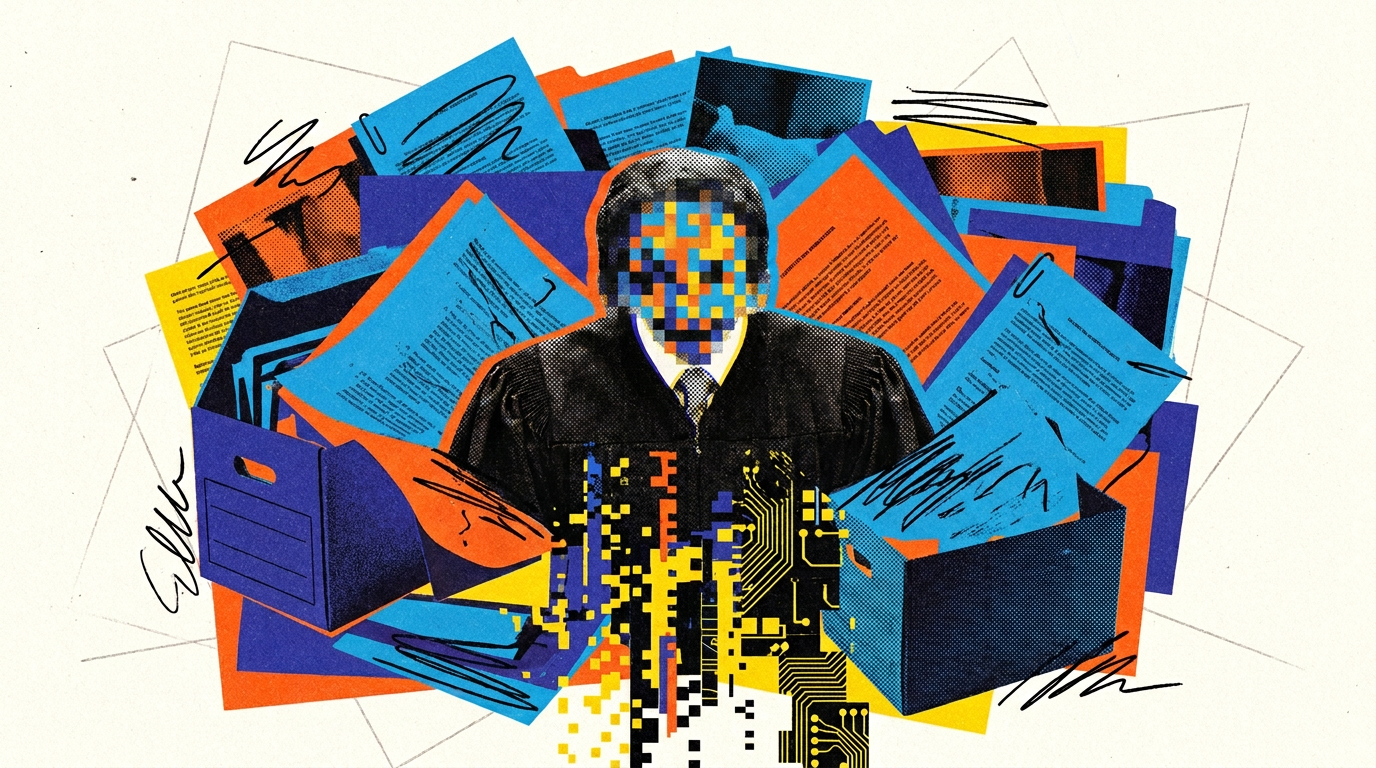
British employment tribunals are absorbing a sharp rise in AI-assisted litigation that is straining judicial capacity and polluting case files with unreliable material. In the year through March 2026, claims increased 39 percent while the unresolved backlog grew 55 percent to roughly 64,000 cases, according to reporting on the trend. Many submissions are drafted with consumer chat tools such as ChatGPT and Grok, and practitioners describe filings running hundreds of pages that cite fabricated statutes and seek unrealistic remedies. The pattern suggests generative assistants are lowering the cost of initiating disputes without improving document quality, forcing courts to spend scarce time separating valid claims from synthetic noise. The reporting links the surge to AI-generated submissions but does not isolate how much of the backlog consists solely of such filings.
Britain's employment courts face 39% more AI-drafted claims and a 64,000-case backlog
Claims rose 39 percent in the year through March 2026, and the backlog jumped 55 percent to 64,000 unresolved cases. Many AI-generated filings run hundreds of pages, packed with fabricated laws and unrealistic demands.
Key takeaway
Consumer AI tools are flooding UK employment tribunals with voluminous, hallucination-laden filings that inflate caseloads faster than courts can process them.
What happened
According to The Decoder, Britain's employment courts saw claims rise 39 percent in the year through March 2026, with many filings drafted using ChatGPT or Grok.
The same reporting says the backlog jumped 55 percent to 64,000 unresolved cases, and that AI-generated submissions often run hundreds of pages containing fabricated laws and unrealistic demands.
Evidence
Employment court claims rose 39 percent in the year through March 2026.
The Decoder · attributed
Claims rose 39 percent in the year through March 2026, and the backlog jumped 55 percent to 64,000 unresolved cases.
The unresolved backlog reached 64,000 cases after a 55 percent increase.
The Decoder · attributed
The backlog jumped 55 percent to 64,000 unresolved cases
Many filings were written with ChatGPT or Grok.
The Decoder · attributed
many written with ChatGPT or Grok
AI-generated filings can run hundreds of pages and cite fabricated laws.
The Decoder · attributed
Many AI-generated filings run hundreds of pages, packed with fabricated laws and unrealistic demands.
Why it matters
Courts and legal-tech vendors may need submission-time verification to protect dockets from synthetic text that distorts precedent and wastes review capacity.
Limits and uncertainties
The Decoder reporting does not quantify what share of the 64,000-case backlog is attributable solely to AI-generated filings.
Available feed excerpts are truncated and do not describe specific tribunal enforcement or screening responses.
Practical implications
Legal-tech builders should evaluate AI-detection and document verification at e-filing intake before pleadings enter the judicial record.
Teams shipping legal assistants should warn users that chat-generated citations may be fabricated and can trigger voluminous, low-quality court submissions.
What to watch
Whether UK employment tribunals publish intake rules or screening procedures for AI-generated pleadings.